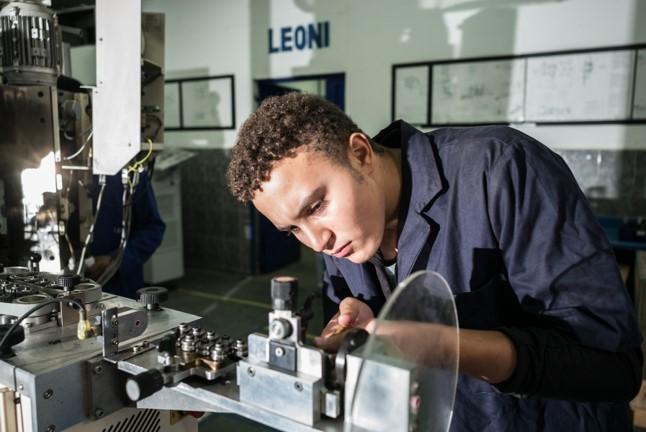
Article 20 of the Constitution of the Arab Republic of Egypt stipulates: “The State shall encourage and develop technical, technological, and vocational education and training, and expand its various forms in accordance with global quality standards and in line with labor market needs.” Work-based learning is one of the approaches used to enhance the technical education system, providing students with the tools and opportunities to acquire practical skills and apply theoretical concepts in real work environments. This model includes several forms designed to bridge the gap between labor market demands and the graduates of the technical education system. One key model is the Dual Education and Training System.
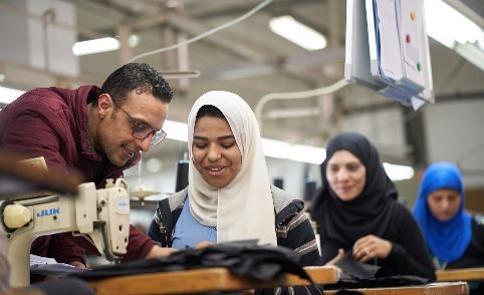
The Dual Education and Training System is based on a partnership between the Ministry of Education and Technical Education and the private sector. It integrates practical training in companies with theoretical education in technical schools, with the goal of graduating skilled technicians who are equipped to meet the demands of various economic sectors.
This model is based on establishing a school within the training facility itself. Educational and training programs are designed and implemented jointly by the Ministry of Education and Technical Education and the institution (private sector) to meet the company’s need for trained manpower.
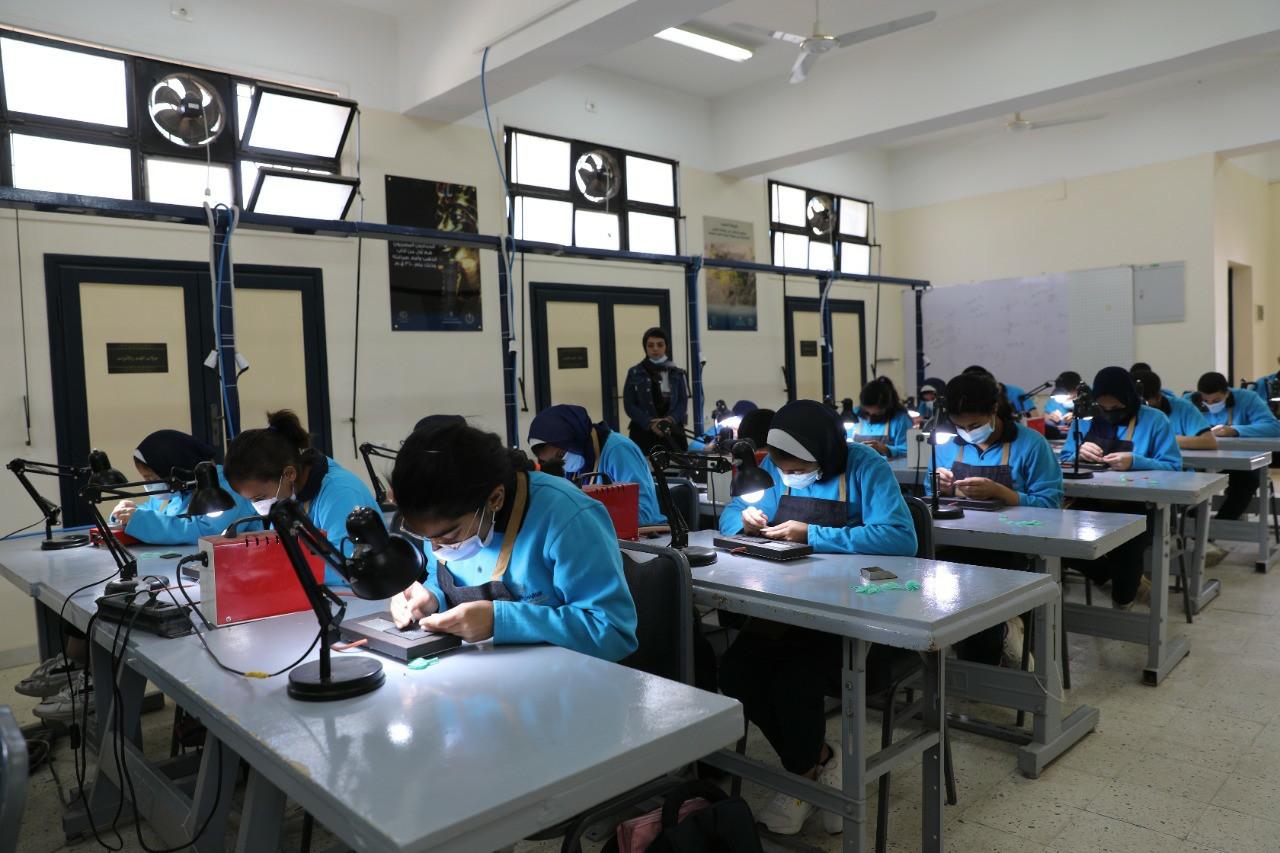
This model involves attaching some Dual Education classes to an existing technical school, where students study theoretical subjects two days a week at school and receive practical training for four days at the training facility. These classes are supervised by the Dual Education Department.
These are specialized technical schools operating under the Dual Education model, upgraded in terms of curricula, staff, training, logistics, and more. The goal is to provide high-quality education and training to improve an entire industrial sector. These schools may include extended vocational training periods at major private-sector companies that invest in the school to develop the sector it serves (e.g., industrial engineering, after-sales automotive services, etc.). The educational and training plans are agreed upon through a Steering Committee comprising the entities involved in the Center of Excellence model.
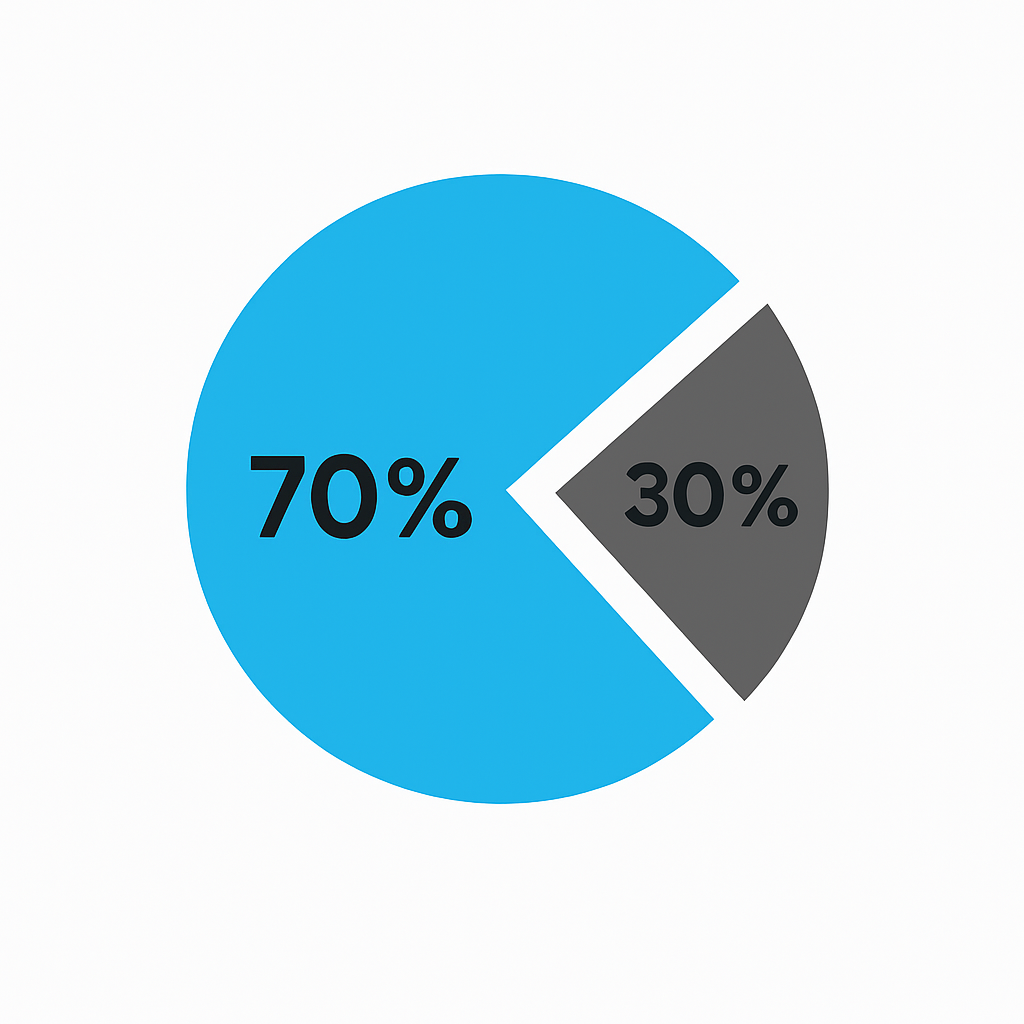
The dual education system is based on a combination of school and workplace environments to deliver technical and vocational training in complementary proportions as follows:
The system offers approximately 80 professions in the following fields: construction, chemical industries, woodworking, commercial sectors, textiles and ready-made garments, mechanical professions, hospitality, automotive, decorative arts, electrical and electronics, agriculture, leather industries, and other professions developed according to labor market needs.
Non-quantifiable benefits:
Short-term benefits:
Long-term benefits:
Short-term benefits:
Long-term benefits: